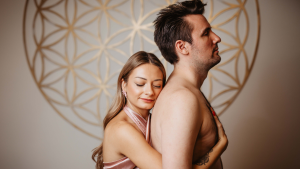
Mutual massage is a shared experience in which two partners take turns giving and receiving massage. It does not require professional skills, expensive equipment or a complicated routine. The most important elements are time, attention, communication and respect for each other’s boundaries.
Mutualmassage.eu offers practical information about partner massage, conscious touch, massage oils, preparation and simple techniques suitable for beginners. Learn how to create a comfortable environment and turn an ordinary evening into a relaxing ritual for two.
What Is Mutual Massage?
During mutual massage, both partners have the opportunity to receive care and attention. One person gives the massage while the other relaxes. After an agreed period, they change roles.
The massage may focus on the back, shoulders, neck, hands, feet or other previously agreed areas. It can remain purely relaxing or become a more sensual experience, depending on the wishes and boundaries of both partners.
There is no required outcome. Mutual massage is not a competition and neither person needs to perform a perfect technique. Its value comes from slowing down and paying attention to the other person.
Why Try Massage as a Couple?
Daily responsibilities can leave couples with little uninterrupted time together. A shared massage creates space without phones, work or other distractions.
Partners can use it to:
- spend calm and focused time together,
- learn which types of touch each person enjoys,
- practise communicating preferences,
- create a regular relaxation ritual,
- introduce more variety into their shared time,
- explore conscious or sensual touch without pressure.
Massage should not be presented as a solution to every relationship problem. It can, however, offer a simple opportunity to slow down and reconnect.
Communication Comes First
Before beginning, discuss what each person expects. Agree on which parts of the body may be massaged, how long each turn will last and whether the experience will be relaxing, sensual or a combination of both.
Useful questions include:
- Where would you like to be massaged?
- Are there any areas you want me to avoid?
- Do you prefer gentle or firmer pressure?
- Would you like music or silence?
- Is there a scent you dislike?
- How will we signal that something should change?
Consent should remain voluntary throughout the experience. Either person may request a different pressure, move a hand away or stop the massage completely.
Creating the Right Environment
Choose a private room with a comfortable temperature. Put phones aside and make sure you have enough time to avoid rushing.
Prepare:
- clean towels or sheets,
- a stable padded surface,
- massage oil suitable for the skin,
- soft lighting,
- water to drink,
- calm music if both partners want it.
Warm a small amount of oil between your palms before applying it. Do not pour cold oil directly onto the body, and test unfamiliar products on a small area of skin first.
Simple Touch Is Enough
A beginner does not need to imitate a professional massage therapist. Start with slow movements across the shoulders or upper back. Use the whole palm rather than applying sharp pressure with the fingertips.
Avoid strong pressure directly on the spine, joints, the front of the neck or an injured area. Check regularly whether the pressure and pace feel comfortable.
If either partner has an injury, acute pain or a medical condition that may affect massage safety, professional advice may be appropriate before continuing.
From Relaxing to Sensual Massage
Mutual massage can remain a calm wellness activity or gradually include more sensual touch. That transition should never be assumed. Ask clearly before changing the agreed style or moving to another area of the body.
Couples who want inspiration from a professional setting can explore different tantric and erotic massage experiences. Always read the full description and confirm the provider’s rules before booking.
End Slowly and Change Roles
Do not finish the massage abruptly. Gradually slow the movements and allow the receiving partner a few quiet moments before sitting up.
If you change roles, take a short break, wash or wipe your hands and confirm that the second person still wants to continue. Equal time is a useful starting point, but mutual care does not need to be measured perfectly.
Mutual massage is ultimately about attention rather than technique. By communicating openly and moving at a comfortable pace, partners can create a shared ritual that belongs entirely to them.